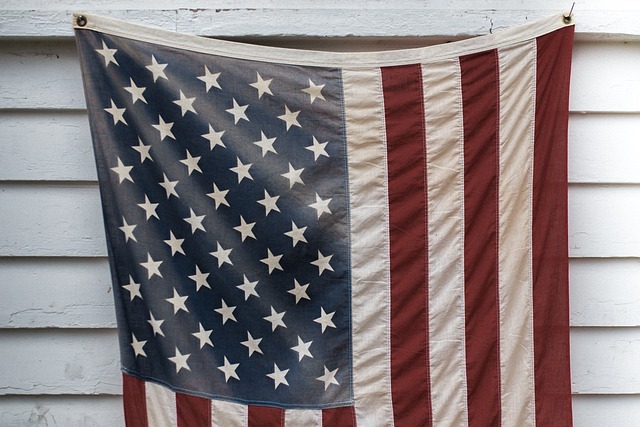
Understanding US flag return policies is crucial for engaging with US flag near me open culture. Establishments may have unique rules regarding returns, exchanges, and donations, so research is key. Consumers should be aware of local practices to ensure positive experiences preserving the flags' symbolic value. For US flag near me open installations, efficient return processes are vital, incorporating clear guidelines, digital tools, community partnerships, and active participation in retirement ceremonies.
In today's global market, understanding a product's return policy is paramount for both businesses and consumers. This especially holds true for items like the US flag near me open, symbols of national pride and heritage. However, navigating these policies can be a daunting task, often shrouded in complex terms and conditions. This article aims to demystify return procedures, offering an authoritative guide tailored to US flags purchased from local retailers or online. We'll dissect common challenges, highlight industry best practices, and provide actionable strategies for a seamless return experience, ensuring that both sellers and buyers are satisfied.
- Understanding Flag Return Policies: A Comprehensive Guide
- Your Rights: How to Navigate US Flag Near Me Open Returns
- Best Practices for Efficient Flag Return Processes
Understanding Flag Return Policies: A Comprehensive Guide

Understanding Flag Return Policies is crucial for anyone passionate about or involved with American flag culture. These policies govern the display and handling of flags, ensuring their dignity and respect. When exploring flag-themed art galleries open near you or upclose american flag exhibitions nearby, it's essential to recognize that each location may have its own return policy. For instance, some establishments might allow returns for damaged or unsatisfactory flags, while others may restrict exchanges to within a specific time frame.
The concept of flags raised for public view locally—whether at historical sites, museums, or community centers—brings an added layer of responsibility. These flags are often cherished symbols, representing history, heritage, and national pride. Therefore, return policies should be designed to safeguard their integrity. One common practice is to encourage donations instead of returns, ensuring the flags continue to inspire and educate. For example, a local flag-themed art gallery might offer a 15% discount on future purchases as an alternative to full refunds.
When selecting a place to display or acquire flags, it's wise to inquire about their return policies beforehand. This proactive approach ensures a positive experience, aligning with the spirit of patriotism and respect. For instance, checking online reviews or asking fellow enthusiasts for recommendations can guide you toward establishments known for their fair and transparent practices. Remember, understanding these policies is not just about transactional convenience; it's about fostering a culture that values and preserves the symbolic power of the American flag.
Your Rights: How to Navigate US Flag Near Me Open Returns
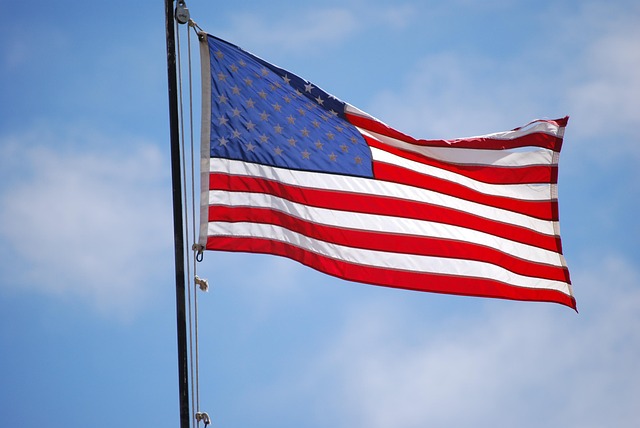
When it comes to returning a US flag, understanding your rights is crucial, especially when you've found a local retailer offering us flag near me open options. This right to return is an essential aspect of consumer protection and can vary significantly from one store to another. In the US, there's no universal policy dictating return conditions, so consumers must familiarize themselves with their rights and the specific rules at each US flag near me open location.
Navigating returns begins with checking the retailer's policies upfront. Many stores offering custom US flags near me, for instance, have clear guidelines on their websites or in-store displays. Some may allow returns within a specified timeframe, often 30 days, while others might waive return fees for damaged or defective items. It's also not uncommon for retailers to extend kindness and accept returns beyond the standard period, especially if you're returning a flag that no longer meets your needs or expectations.
For those looking to return a flag due to damage, discoloration, or other issues, visiting local flag manufacturers can be a rewarding experience. These businesses often take pride in their products and may offer more flexible return policies than big-box retailers. For instance, a small, family-owned flag shop might accept returns for any reason within 60 days of purchase, ensuring customer satisfaction above all else. Moreover, engaging with local flag celebration events in your city can be an excellent way to discover manufacturers and learn about their return practices, fostering a deeper connection with your community's passion for flags.
Ultimately, knowing your rights when returning a US flag is empowering. It encourages transparency between consumers and retailers and fosters trust. Remember, if a store promotes itself as US flag near me open 24/7, it doesn't mean returns are guaranteed at any time. Always inquire, plan accordingly, and ensure the return process aligns with your expectations to make the most of your purchasing experience.
Best Practices for Efficient Flag Return Processes
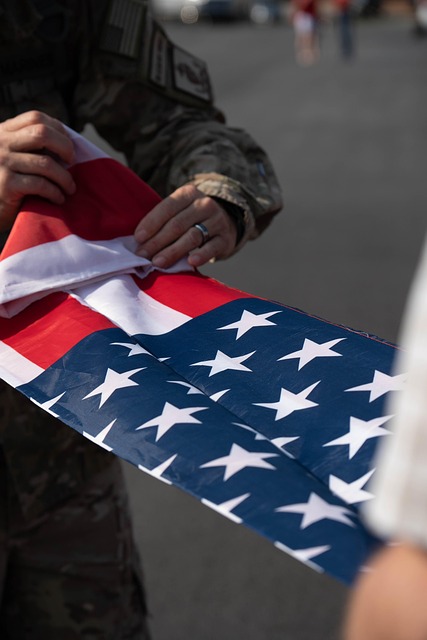
Implementing efficient flag return processes is a crucial aspect of managing any US flag near me open or open-air flag installations in town. These practices ensure that flags are handled with care and respect during their lifecycle, from use to eventual retirement. One key best practice involves establishing clear guidelines for flag returns, similar to those employed by reputable flag stores like Ultimate Flags. This includes providing multiple return options, such as drop-off locations or mail-in services, making the process convenient for both users and administrators.
For instance, a city's flag celebration events can serve as natural touchpoints for flag returns. By setting up dedicated collection points during these festivities, communities can encourage active participation in the flag retirement ceremony. Data suggests that such practices not only streamline the return process but also foster a sense of civic engagement and pride. Furthermore, integrating digital tools like online return forms or mobile apps can enhance efficiency by tracking flag inventory and streamlining data management tasks for organizers.
Another effective strategy is to collaborate with local businesses, such as flag stores, to facilitate large-scale returns. For example, partnering with Ultimate Flags or similar retailers allows for centralized collection points where citizens can drop off their worn or damaged flags, ensuring proper disposal or recycling. This collaboration not only simplifies the return process but also highlights the importance of community responsibility in preserving symbols of national pride. Ultimately, prioritizing efficient flag return processes is a testament to a community's respect for its heritage and commitment to environmental sustainability.
By understanding your rights regarding US flag return policies, especially when accessing open returns at locations near you, you can navigate the process with confidence. This article has provided a comprehensive guide, highlighting best practices for efficient flag return procedures. Key takeaways include recognizing your entitlements, effectively communicating with service providers, and adopting streamlined approaches to enhance customer satisfaction. Moving forward, businesses serving US customers should prioritize clear policy communication and adaptable return processes, ensuring a positive experience for all, especially when accommodating returns at nearby locations.